Shade-Loving Perennials for North-Facing Gardens: A Beginner's Comparison
October 30, 2026 - Plant Care
Plant shopping is the reward at the end of the planning, and it is easy to get there too soon. A tray of seedlings and a cart of compost feel like progress. Then the plants come home, the light is weaker than it looked, the soil is heavy clay, and the pretty pot has nowhere sensible to live.
The first-year gardener does not need more enthusiasm. What saves time, money, and plants is a slow walk around your growing space before you buy anything. Use this checklist to look at the conditions you actually have, not the ones you hope for.
Light is the first thing to measure because it is hardest to change. A spot that looks bright at noon can be shaded by a wall for most of the morning. A sunny balcony can become an oven by late afternoon. Before you choose a plant, watch the site at morning, midday, and late afternoon. Note where the sun lands, where shadows fall, and how long the direct light lasts.
Window direction matters indoors, but so do obstructions: a neighboring building, an awning, a mature tree, or a deep roof overhang. Outdoors, spend five minutes on a clear day and mark the sun’s path. Repeat on a cloudy day; brightness and direct sun are not the same. If you are renting or new to the property, ask whether deciduous trees will change the light in a few weeks.
Then match the site to the label, not the other way around. “Full sun” generally means several hours of direct light; “part shade” means some shelter from the strongest sun. Treat those terms as guides. A sun lover will sulk in a dim courtyard, while a shade lover can scorch against a hot south-facing wall.
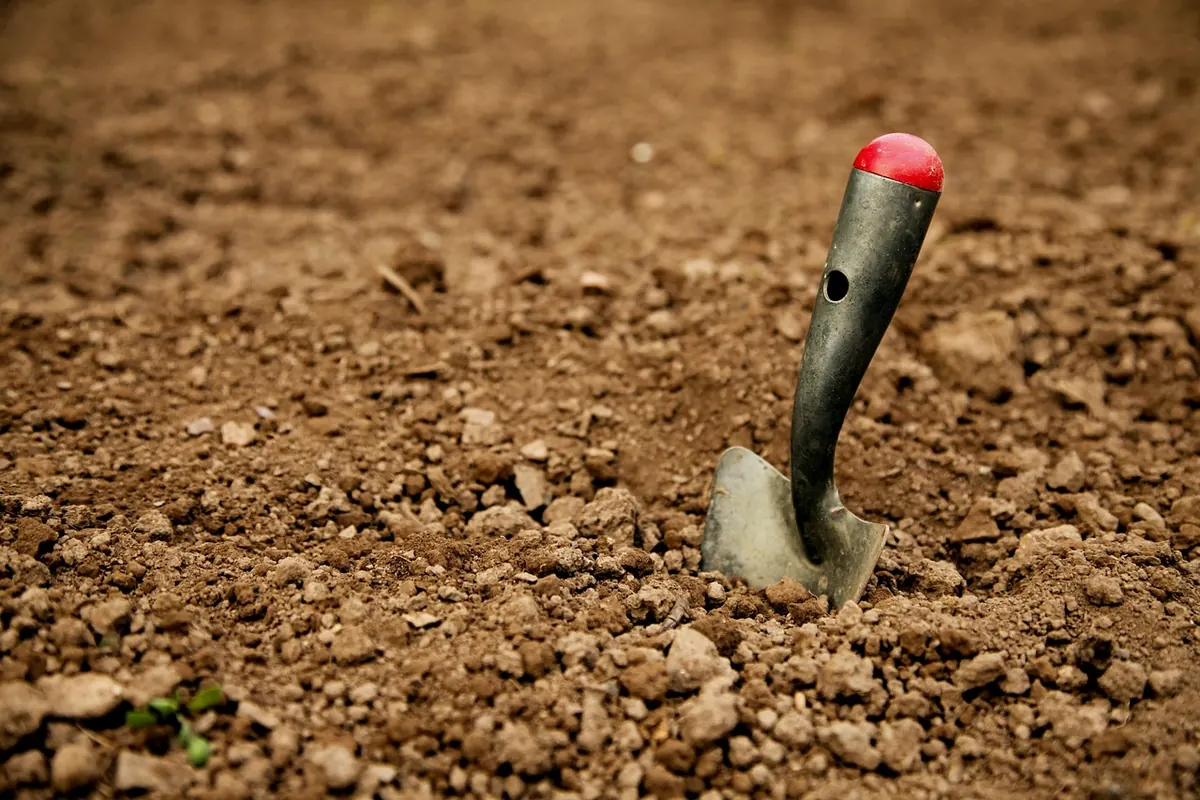
Soil is not just dirt. Check two things: drainage and texture. Dig a hole the size of a small bucket, fill it with water, and see how long it takes to disappear. If water stands for a long time after rain, that spot may need a raised bed or drainage work. If it drains quickly, it may be sandy and poor at holding moisture.
Pick up a handful of moist soil and squeeze it. Clay feels sticky and stays in a lump; sandy soil falls apart; good loam holds together but crumbles. Do not judge from the surface alone. For containers, skip garden soil and use fresh potting mix, because garden soil compacts and drains poorly in pots.
Before planting, decide how you will improve the soil. Compost is the reliable workhorse for most beds; mulch afterwards to protect the surface. If the ground is very poor or contaminated, get local advice before growing food. A quick check now is cheaper than replacing plants later.
Plant tags list mature size for a reason. A shrub that looks tiny in a nursery pot can swallow a walkway in two seasons. Measure the bed’s width and depth, then leave room for the plant at its full size. For vegetables, leave enough space between rows for air and for your feet. For pots, check the mature root spread and the weight once watered.
A garden has to work for the household, not just the plants. Keep paths clear, doors able to open, and taps reachable. On a balcony, check weight limits and railings before adding heavy containers; if unsure, ask the building manager or a qualified professional. Vertical space counts, too: a trellis can turn a narrow wall into room for beans, but only if the plant gets light and water.
Watering decides more first-year gardens than any other task. Find out how far the hose reaches, whether you have an outdoor tap, and whether carrying a watering can up stairs is realistic in July. Pots dry faster than beds, and a hot, windy spot dries them faster still. If you travel often, choose tougher plants or set up a simple watering plan with a neighbor.
Time is part of the same calculation. A few pots on a patio take minutes; a new vegetable bed takes more. Weeding, watering, staking, and pest checks all take attention. Be realistic about the fifteen minutes you can give on a weekday evening, then choose plants that fit. A smaller garden cared for beats a larger one that becomes a chore.
You do not need a shed full of equipment before your first season. Start with tools that match your space and the jobs you can already see. Avoid kits with unfamiliar gadgets; a few decent tools kept clean will do more than a drawer of odd ones.
Borrow or share bigger items first. A wheelbarrow, long ladder, or soil sieve may be a neighborhood loan rather than a purchase. Clean and dry tools after use, and sharpen pruners when they start to crush stems instead of cutting them.
Plants are only one part of the cost. Soil, compost, mulch, containers, supports, and replacement plants add up, and the “boring” items usually keep a garden alive. Before you shop, decide on a comfortable total for the season and split it into plants, soil, and supplies. Keep a little aside for the plant that fails or the compost you underestimated.
Write a shopping list by site, not by plant desire: “shade-tolerant pot for the north step,” “three herbs for the kitchen windowsill,” “one climber for the trellis.” That makes it easier to refuse a bargain that does not fit. If your household budget is tight, make the plan before you walk into the nursery. A garden can start small; it does not need to be finished in one weekend. If a project involves structural changes, major drainage work, or spending beyond your comfort zone, get qualified local advice before committing.
Before you pick up a plant, walk your intended space one more time. Carry a notebook, a measuring tape, and a critical eye. Check the light, the drainage, the reach of the hose, and the room left for a mature plant. Ask yourself whether you are buying for the garden you have or the one in a photograph.
Then buy one plant, or three, and give them a proper home. The first year is for learning how your patch behaves. A checklist will not make you a perfect gardener, but it will stop the most common avoidable mistakes.
Photo: nadjadonauer / Pixabay

North-facing gardens are cool and often damp, but the right perennials turn that shade into layered foliage, winter...
A quiet, layered garden with a shallow dish of water, hedges left alone in spring and one scruffy corner can turn a...
Copyright © 2026 Racconti Del Giardino. All Right Reserved.