Shade-Loving Perennials for North-Facing Gardens: A Beginner's Comparison
October 30, 2026 - Plant Care
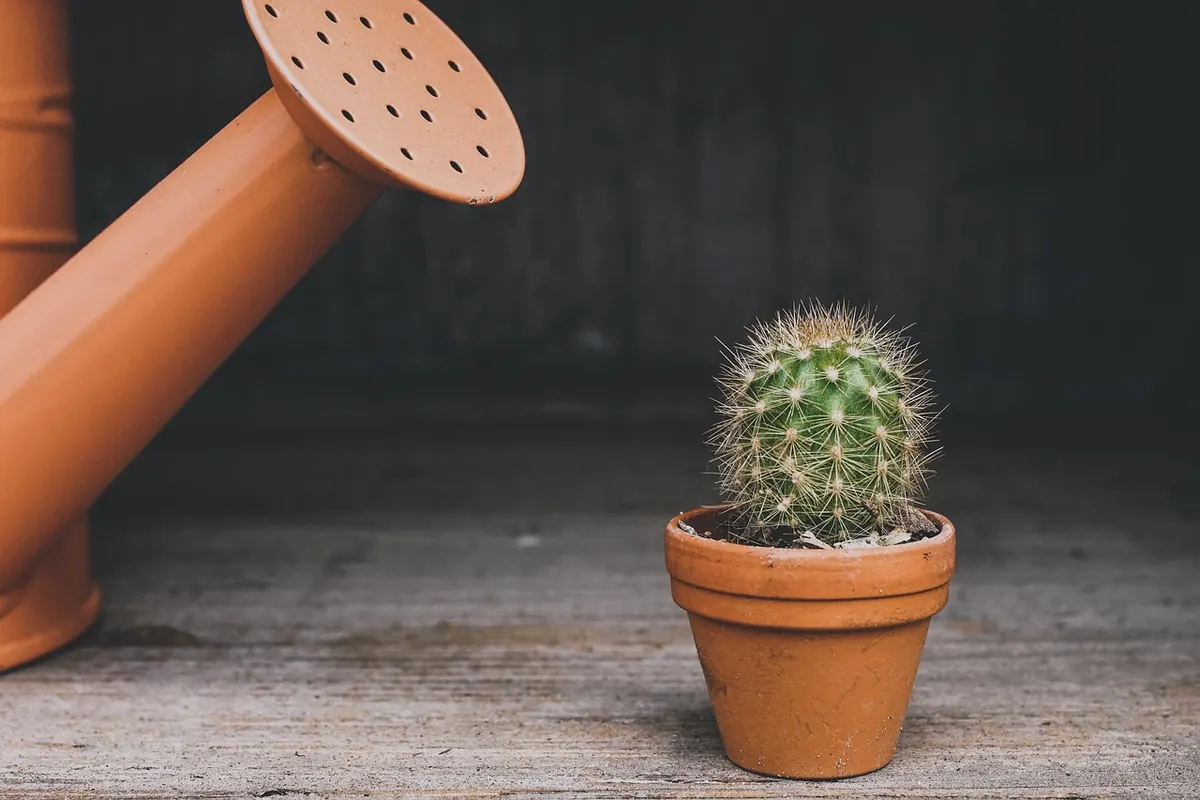
Watering a container plant looks like the simplest job in the garden, which is probably why so many pots are quietly suffering. A plant in the ground can send roots down and out in search of moisture; a plant in a pot has exactly the volume of compost you gave it and nothing more. Every mistake gets magnified. A day of forgetfulness in July can cost you a flowering basket, while a fortnight of small daily kindnesses can rot a rosemary from the roots up. The good news is that the seven problems below account for most of the damage, and all of them are fixed with a change of habit rather than a shopping list.
Two identical pots on the same balcony can need water four days apart. Terracotta breathes and dries from the outside in. Glazed ceramic holds moisture. Black plastic in full sun bakes; a shaded corner stays damp for a week. Add the plant itself — a thirsty tomato against a lavender that sulks at the first sign of wet feet — and any fixed schedule becomes guesswork.
Check before you pour. Push a finger into the compost up to the second knuckle. If it comes out damp, walk away and come back tomorrow. For deep pots, keep a plain wooden chopstick or a length of bamboo cane pushed down near the edge and pull it out to inspect; dark, cool and slightly clinging means there is still water down there. This single habit prevents more damage than anything else in this article.
A small splash every morning feels attentive. It is actually the worst of both worlds. Roots grow where the moisture is, so if only the top three centimetres ever get wet, that is where the root system stays: a shallow mat just under the surface, quick to overheat in sun and quick to dry out in wind. The lower half of the pot remains bone dry and unused, and the plant becomes dependent on you showing up every single day.
Water properly instead. Pour slowly, in two or three passes, giving the compost time to absorb each one. Stop when water runs freely from the drainage holes. That is a full watering, and it buys you days rather than hours. Then leave the pot alone until the top few centimetres are dry again.
Overwatering is rarely about how much you pour. It is about water that has nowhere to go. A saucer left full for an afternoon is harmless; left full for a week it turns the bottom of the root ball sour and airless. The same applies to a decorative outer pot, a sealed container with no holes, or a tray shared by several plants.
Empty saucers about twenty minutes after watering, or stand pots on feet so the surplus can drain clear. If you love a ceramic pot that has no drainage hole, use it as a cachepot: keep the plant in a plain nursery pot and lift it out to water, returning it only once it has stopped dripping. If a favourite container has no holes, drill some. It takes five minutes and can save the plant.
Here is where many well-meaning growers go wrong. A wilted plant looks like a thirsty plant, so the instinct is to water it again. But a plant drowning in wet compost also wilts, because damaged roots cannot take up water. Watering a plant that is already too wet is the fastest way to lose it. Look at the whole picture rather than the droop:
When in doubt, lift the pot. Weight tells you more than appearance ever will.
A basket in an exposed position dries out roughly twice as fast as a pot at your feet. Wind strips moisture from leaves and compost alike, the volume of growing medium is small, and trailing plants have a lot of leaf area for the roots to supply. Miss a day in a heatwave and the compost can shrink away from the liner entirely.
Once that happens, water poured from above simply runs down the inside of the basket and out of the bottom without soaking in. Rehydration needs a different approach:
Wet foliage is not a problem on a breezy morning. It is a problem on a still evening, when leaves stay damp for hours and crowded growth traps the moisture — exactly the conditions that suit moulds and leaf spot. Aim the spout at the compost, under the canopy, and keep the foliage as dry as you reasonably can. A long-spouted can makes this much easier than a stubby one.
Timing matters for a second reason. Watering at midday in full sun sends a good share of the water straight into the air before it reaches the roots, and a splash of cold tap water on compost that has been baking all afternoon is a shock the finest roots do not need. Mornings are better: the plant has the day to drink, and any spillage on the leaves dries quickly.
A container that needed water every day in July may need it once a week in October, and once a fortnight in January. A plant that has quietly filled its pot with roots will drink far faster than the same plant did in spring, and a pot that has been allowed to dry out repeatedly will start repelling water altogether. Nothing about watering stays constant, so the calendar is the least reliable tool you have.
Re-check every pot roughly once a fortnight as the seasons turn, and adjust. If a plant has become root-bound, either repot it in spring or accept that it will ask for water more often than its neighbours.
Once a week, walk the pots with your hands rather than your watering can. Lift each one; the light ones need attention and the heavy ones do not. Push a finger into the compost of anything you are unsure about. Empty the saucers. Look under the leaves for the first pale, yellowing signs of trouble, and turn a pot now and then so the same side is not always in the shade.
Then water thoroughly, slowly, until it runs out of the bottom, and leave the pot to dry back down before you do it again. Wet, then dry, then wet again — that rhythm is what roots in a container actually want, and once you are tuned into it, the plants will tell you everything you need to know.
Photo: suju-foto / Pixabay
North-facing gardens are cool and often damp, but the right perennials turn that shade into layered foliage, winter...
A quiet, layered garden with a shallow dish of water, hedges left alone in spring and one scruffy corner can turn a...
Copyright © 2026 Racconti Del Giardino. All Right Reserved.