Shade-Loving Perennials for North-Facing Gardens: A Beginner's Comparison
October 30, 2026 - Plant Care
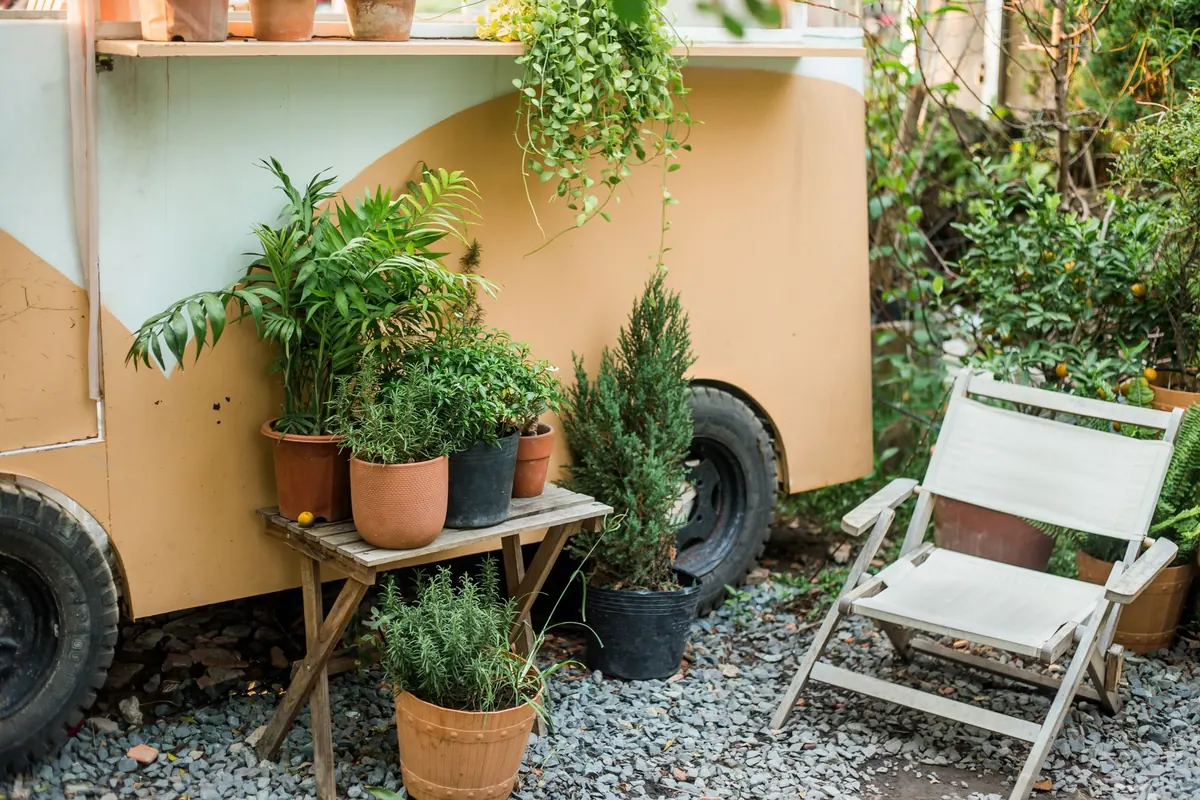
A paved patio can look like a dead end for wildlife. There is no soil to dig, no hedge to hide in, and on a hot afternoon the slabs bounce heat back at everything above them. Yet pollinators are opportunists, and they work small spaces far harder than most gardeners expect. A dozen pots arranged with some thought can become a route of nectar, water and cover that a bee will revisit all summer, and that a robin will learn to check each morning.
The trick is to think like a forager rather than a decorator. What is here to eat, drink and hide in, and is any of it within flying distance of the next pot? Answer those three questions and the design almost draws itself.
Most patio planters are bought in one enthusiastic trip in late May and are finished by August, just as the late bees are stocking up. Build the planting in three waves instead, and accept that some pots will look ordinary in their off weeks. That is the price of a garden that keeps feeding.
Favour single flowers over doubles. A fully double rose or begonia may be beautiful, but the petals have replaced the parts that make nectar and pollen, so insects pass them by. Open, simple shapes are easier to land on too: flat umbels such as fennel and dill, spikes such as salvia, and daisies such as echinacea all offer a clear landing pad.
If you grow herbs on the patio, hold back one plant from the kitchen. A bolted basil, a flowering thyme or a mint left to bloom will pull in more bees than many ornamentals, and it costs nothing. Cut it back after flowering and it will leaf again.
Insects drink, and they drown easily. A deep bucket is a trap; a saucer is a service station. Fill a wide saucer with pebbles or broken slate and top it up so the stones break the surface — bees and wasps can then land and drink without falling in. Refresh it every day in warm weather, because standing water in a sunny patio heats up fast and turns unpleasant.
Birds need more volume. A small bird bath on a pedestal or a shallow dish wired to a railing works well on a patio, but it must be rinsed and refilled every day or two; mosquitoes lay eggs in still water within days in summer, and a bath that turns green is a hygiene problem rather than a habitat. Add a couple of large stones to the dish so birds can wade, and keep it away from the spot where cats sit.
A drip tray under a pot, tucked behind the planting, will also draw thirsty bees to the damp gravel. Empty and refill it with the watering can rather than letting it stagnate.
Nectar feeds insects, but they also need somewhere to shelter, sun themselves and, in the case of solitary bees, to nest. On a patio this has to be built, not inherited.
Leave seed heads on the sedum and grasses until early spring. They look good in frost, and they are food.
Bigger pots are easier pots. A large container holds moisture evenly, keeps roots cool and does not blow over in a gust — three things a small pot fails at. For a shrub or a long-lived perennial, aim for something at least 30 to 40 cm across, planted in a soil-based compost that holds its structure. Annuals will manage in a multipurpose mix, and peat-free options are now reliable if you water and feed sensibly.
Good drainage matters more than most people allow. Use pot feet or bricks to lift containers off the paving so water escapes and air moves beneath, and put a layer of gravel on the surface to slow evaporation. Group pots together so they shade each other's roots; a tight cluster also makes a better microclimate for insects than a scatter of lonely planters. On a balcony or roof terrace, check the loading limit before you fill six large pots with wet compost — that weight adds up quickly, and if you are unsure, take advice before you plant.
Here is one arrangement that works on roughly two by three metres of paving. Adjust plant names to your light and climate, but keep the proportions.
Six pots, one of them water, and the patio has a food supply, a drinking station and a place to shelter. Add a seventh when you find a gap in the flowering season.
Watering is the whole job in July and August. Check pots every morning in hot spells, water until it runs from the base, and feed flowering plants fortnightly. Deadhead annuals to keep them going, but leave perennials' seed heads alone once they have finished.
Skip insecticides entirely. A colony of aphids on your echinacea is a problem only if you spray, because the spray also removes the hoverfly larvae that would have eaten them. Wipe or squash small infestations by hand, and plant fennel or dill nearby to bring in the insects that do the work for you.
Nobody needs a perfect scheme in the first year. Begin with three: one for early nectar, one for midsummer, one for seed. Put a saucer of water beside them and a stack of bricks in the corner. Then watch what arrives, and plant the next pot for whatever is missing. A patio garden for wildlife is not a finished design; it is a conversation with the bees that find you.
North-facing gardens are cool and often damp, but the right perennials turn that shade into layered foliage, winter...
A quiet, layered garden with a shallow dish of water, hedges left alone in spring and one scruffy corner can turn a...
Copyright © 2026 Racconti Del Giardino. All Right Reserved.