Shade-Loving Perennials for North-Facing Gardens: A Beginner's Comparison
October 30, 2026 - Plant Care
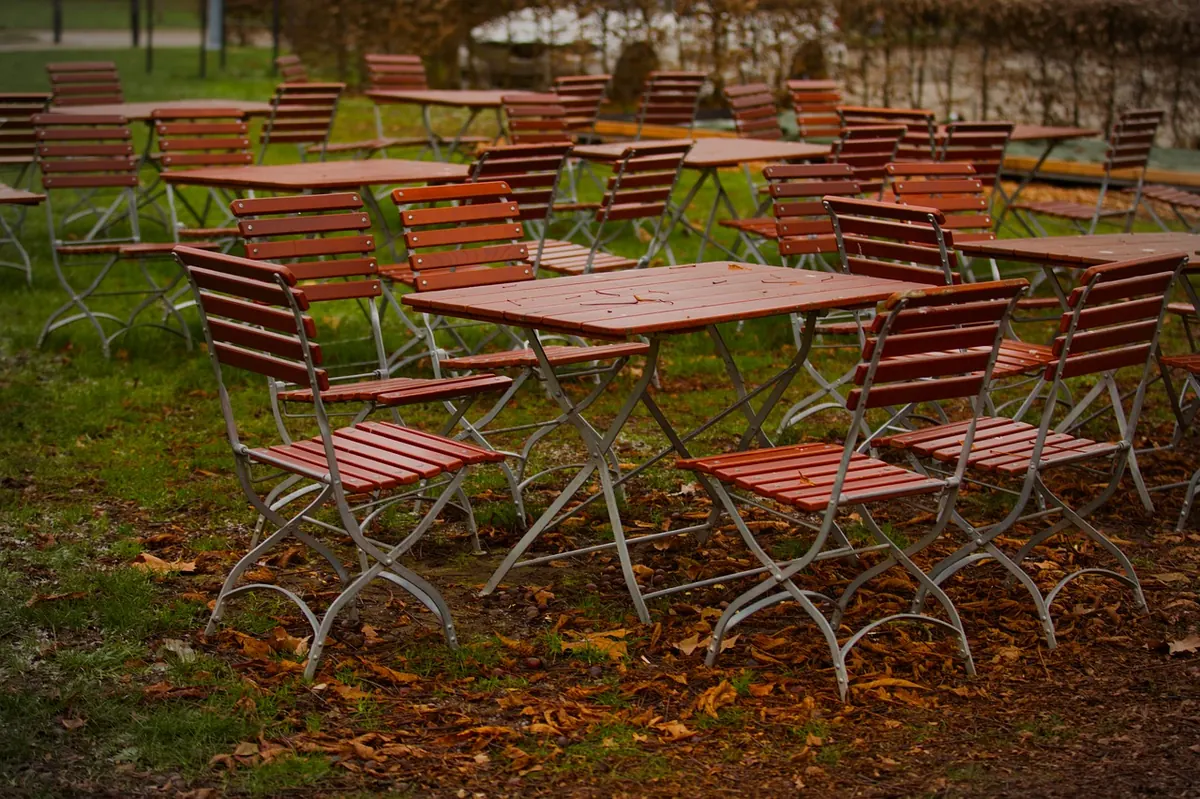
Most small gardens are designed for the eye. They are arranged to look tidy from the kitchen window in flat July daylight, and then, at the hour when anyone actually sits down, nobody has thought about the nose. A corner of two and a half by three metres will hold four people comfortably. What separates a pleasant spot from the one you return to every evening is scent, and scent is something you can plan for in a very small space.
Before you dig anything, decide when the space will be used. For most people that means late afternoon into evening: after work, from about six until the light goes, from spring through to the first frost. That single fact narrows the site considerably. Put the nook where the last of the sun falls. A west- or south-facing corner that has been warm all day will keep giving up scent into the evening, because fragrant plants hold their oils in the warmth of leaves and petals and release them as the air cools.
Shelter matters more than floor area. Wind strips scent away faster than you can plant it, so a solid boundary on the windward side — a fence, a low wall, a dense hedge — will do more for the atmosphere of the nook than another three square metres of paving. Watch where the wind funnels between a house and a shed before you commit; that gap is the one place not to put the chairs.
Keep the whole thing close to the house. Twelve steps from the back door beats thirty. A sitting area that requires a decision to visit gets used twice a season; one you can reach with a mug in each hand gets used nightly.
Mark the footprint on the ground with a hose or a length of string before you order anything. The dimensions that matter are simple: a chair needs about 60cm of clear space in front of it so you can stand up and push back; a small table between two seats is 45–50cm across; and a planting bed needs at least 60cm of depth to hold reasonable soil and keep feet off the plants. Allow a 60cm path if people will walk past the nook to reach the shed.
Whichever you choose, let the planting come forward of the fence line and into the sitting area. A bed that only exists at the perimeter forces you to look at your fragrant plants from a distance, which rather defeats the point.
Choose seats with backs. A backless bench looks elegant in a photograph and becomes uncomfortable within twenty minutes. Seat height of 42–45cm suits most adults. Wood feels warmer in the evening than metal, which needs cushions to be bearable in cooler months; if the space is tight, a bench with a hinged lid gives you somewhere to store those cushions out of the rain.
For a two-person nook, angle the chairs slightly towards each other rather than squaring them up. It takes less room and it means you are facing the planting, not the fence.
Light gently and low. A bright floodlight flattens everything you have planted; a couple of small lanterns set at knee height, or a string of warm bulbs on the wall behind the seat, will make white and pale flowers glow at dusk. That is one reason to favour white and cream in an evening garden: they stay visible long after deeper colours have disappeared into the gloom. Silver foliage does the same job.
A shallow bowl of water near the seat reflects the last of the light and gives you the sound of moving water if you keep it topped up and clean. Empty anything that stands stagnant for more than a few days — a small fountain or a birdbath refreshed regularly is better than a still bucket.
Scent is not evenly spread through the day. Some plants hold theirs for the evening and are wasted on a sunny lunchtime; others need heat to release anything at all. Match the plant to the site and the hour.
Lavender, pinks and thyme all release their oils more freely in warmth, so plant them where the evening sun lingers. Night-scented stock and Nicotiana are the classic evening performers, pale and heavily perfumed from dusk onwards. Evening primrose opens as the light goes. A climbing honeysuckle by the seat is close to essential in a small garden — one plant will scent the whole nook on a still night — and old-fashioned roses, including the smaller repeat-flowering sorts, give you a soft background note.
Sweet box and mahonia carry their fragrance through winter, when you will be grateful for it. Sweet violet and lily of the valley will take more shade than most. Hosta flowers, especially the heavily scented plantain lily, are worth growing for the evening alone, and a dwarf lilac such as Syringa meyeri 'Palibin' gives you the lilac scent in a shrub that will not swallow the space.
Keep a pot of mint and one of lemon balm at the arm of a chair. Neither has much scent in the air until a hand goes through the leaves, which is exactly what you want when you sit down.
The common mistake in a small garden is collecting too many scented plants and finishing with a muddle in which nothing is identifiable. Choose three or four, not twelve, and let one dominate. Honeysuckle in the corner, lavender at the edge of the paving, night-scented stock in a pot by the chair: that is a coherent evening.
Then layer them by height, working backwards from the seat. Tall climbers and shrubs at the back and sides give you a sense of enclosure. Medium plants — lavender, pinks, nicotiana — sit at the front of the bed and at the corners of the paving, where they will be at roughly the height of a seated person's hand. Low, spilling things soften the hard edge between bed and paving. Repeat at least one plant on both sides of the nook so the scent does not come from a single direction.
Pots are your best tool in a tight space. A raised container of night-scented stock beside the chair and a pot of lavender by the door let you fine-tune the smell without digging up a bed, and they can be moved when something finishes flowering.
This is a project of a weekend, not a season, if you keep the first version small.
Expect the first summer to be modest. Scented plants settle in and build up, and a nook planted this autumn will be at its best in the second or third year — which is a good reason to start with a small, well-chosen group and leave yourself room to add.
Photo: maxmann / Pixabay

North-facing gardens are cool and often damp, but the right perennials turn that shade into layered foliage, winter...
A quiet, layered garden with a shallow dish of water, hedges left alone in spring and one scruffy corner can turn a...
Copyright © 2026 Racconti Del Giardino. All Right Reserved.