Shade-Loving Perennials for North-Facing Gardens: A Beginner's Comparison
October 30, 2026 - Plant Care
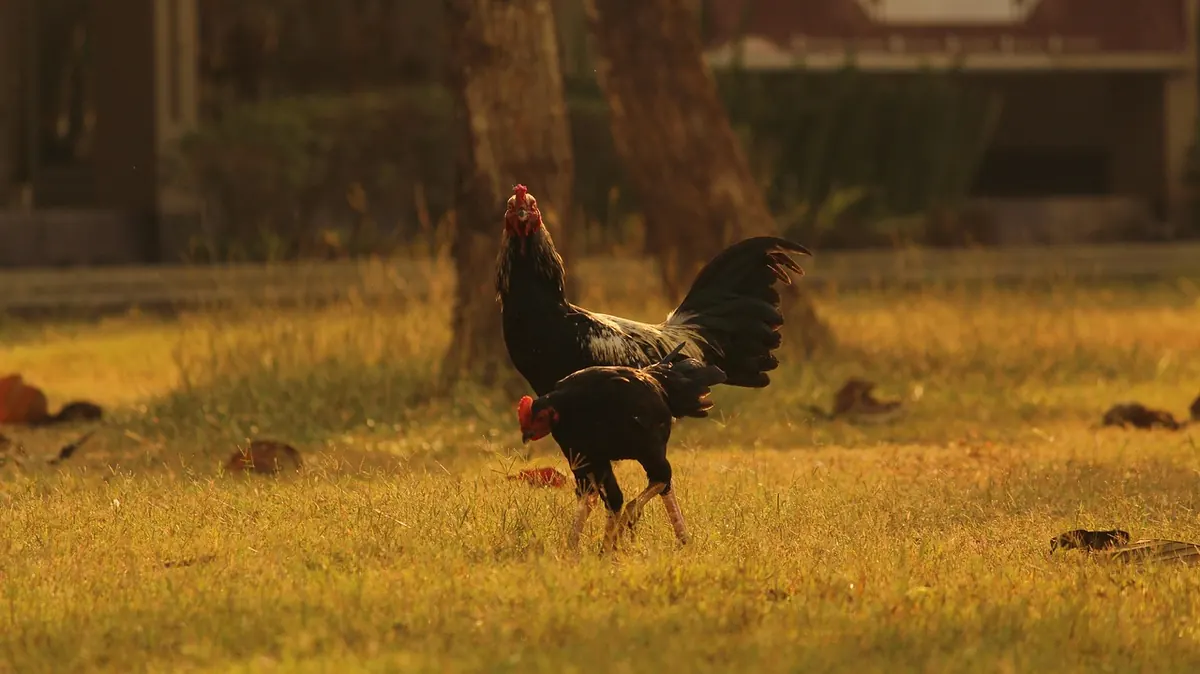
The garden is still dark when the first blackbird starts. It is not a performance for you. It is a claim staked on a hedge, a warning to the bird two doors down, and an invitation to a mate. Still, it happens in your garden only if there is somewhere to stand, somewhere to hide, and something to eat within a short flight. That is the whole craft of designing for birdsong: not a feeder bolted to a fence, but a place that makes sense to a bird at five in the morning.
A lawn, a fence and a hanging feeder will bring birds in. They pass through, take a beakful and leave. What they rarely do is stay and claim the place, and a claimed place is what you need, because males sing from the same perch morning after morning to hold a territory. Take a walk at first light in early May and listen: the loudest songs come from gardens with depth — a small tree, a thick hedge, a shrubby corner, a bit of long grass. The bird has a stage, a green room and a larder within a few metres of each other.
That is why layered planting matters more than any single feature. Each layer does a different job, and the birds move between them through the day. Think of your garden in cross-section rather than as a plan on paper.
If you have room for one small tree, choose one that works twice. Rowan gives berries in late summer and fine cover; crab apple holds fruit into winter; hazel can be coppiced and keeps a dense crown. Even a tree in a large pot on a balcony will be used — a bird will sing from its topmost twig. Height matters because song carries: the best singing posts are bare, open perches a metre or two above surrounding cover, which is why you so often hear a robin from a television aerial.
A hedge is the backbone of a bird garden, and a mixed one beats a single species. Hawthorn, blackthorn, guelder rose, holly and dog rose together give flowers for insects, berries for autumn and thorns for nesting. If you already have a plain privet or box hedge, you can improve it without replacing it: let it grow a little taller and wider, and plant flowering shrubs along its sunny side. A border of berberis, cotoneaster or viburnum against a wall will do the same work in a small space.
This is the layer most gardeners tidy away. Leave a few metres of long grass at the back of a border; it holds insects and gives cover for foraging. Low perennials — hardy geraniums, lady's mantle, ferns, foxgloves — shelter the ground without hiding the view. On walls and fences, ivy and honeysuckle are worth their space: ivy flowers late in the year when little else does, feeds insects, and its berries ripen in late winter; honeysuckle scents the evening and draws moths. Keep both off gutters and window frames, and cut them back hard if they start to take over.
You do not need a pond. A shallow dish, a birdbath or a sunken saucer will be used every day of the year, and in a small garden it may be the single most effective addition you can make. Keep the water no deeper than a couple of centimetres, with a stone or two sloping into it so birds can bathe and drink without risk, and top it up in the morning so it is fresh at dawn.
Placement matters as much as the water itself. Birds need to see danger coming, so set the dish two or three metres from a shrub or hedge, with an open approach on one side. Clean it regularly, especially in warm weather, and scrub away algae rather than adding anything to the water. A gently moving surface — a slow drip or a small solar fountain — catches attention from further away, but still water in a clean dish is entirely sufficient.
Choose the least visible corner of the garden and agree to leave it alone. A log pile, a heap of prunings, a patch of nettles and a layer of fallen leaves will look after themselves and will be busy with birds by autumn. Blackbirds and thrushes turn leaves over for grubs; wrens work through the twigs; sparrows dust-bathe in dry soil.
Resist the autumn clear-up. Seed heads left standing on teasel, sunflower, aster and nigella feed birds through the lean weeks and look good in frost. And leave the hedge alone in spring: cutting it between roughly March and August risks destroying nests, so do structural trimming in late winter and check carefully before you start. When you must cut, work one section at a time and step back often.
Favour single, open flowers over heavily doubled ones. A ruffled bedding plant may look generous, but many offer little nectar and no seed, and a garden full of them is quiet by August.
You do not need a large plot or a budget. Pick a corner, plant a shrub that fruits, set a shallow dish of water a couple of metres away, and stop tidying that patch in autumn. Then do the useful thing: get up early once in late April, take a cup of tea outside and listen for ten minutes before the traffic starts. Note where the song comes from. That tells you which of your layers is already working, and which one to build next.
Birdsong is not a feature you install so much as a habit you allow. Give the garden a little structure, a little water and a little untidiness, and the dawn will begin to arrive with a soundtrack.
Photo: Bimais12345 / Pixabay
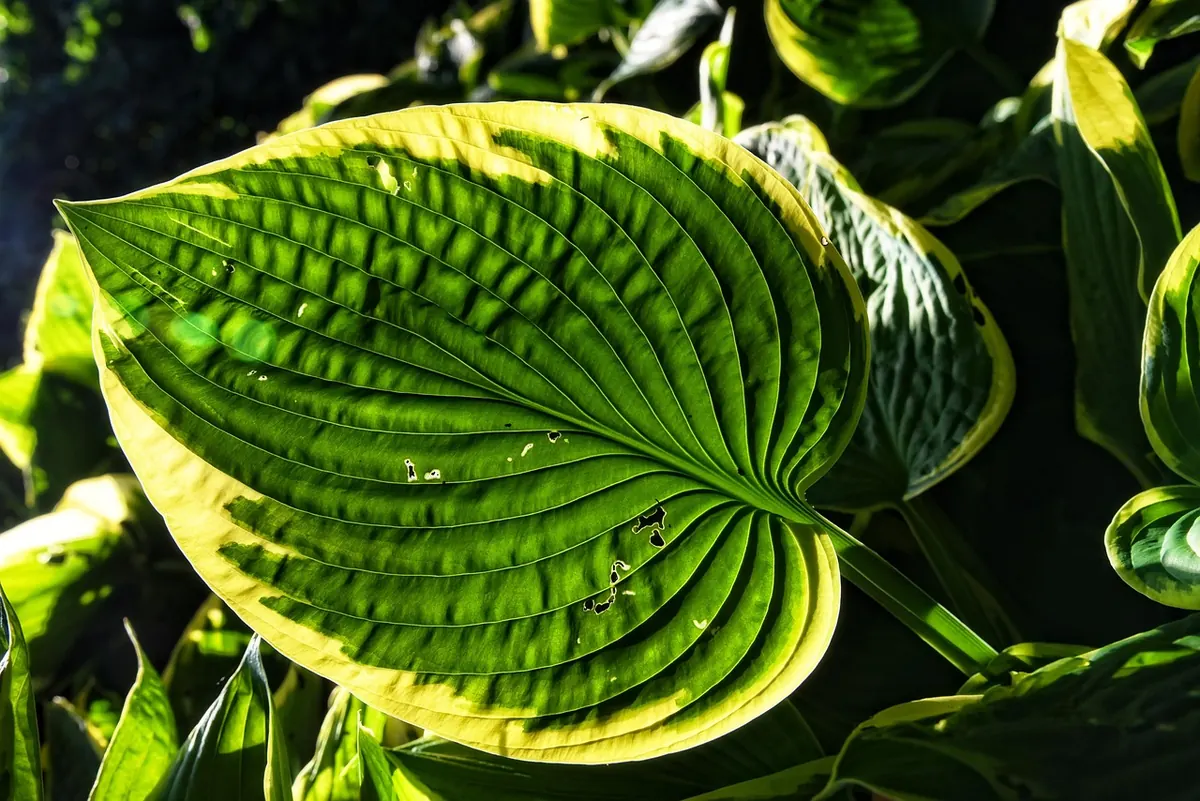
North-facing gardens are cool and often damp, but the right perennials turn that shade into layered foliage, winter...
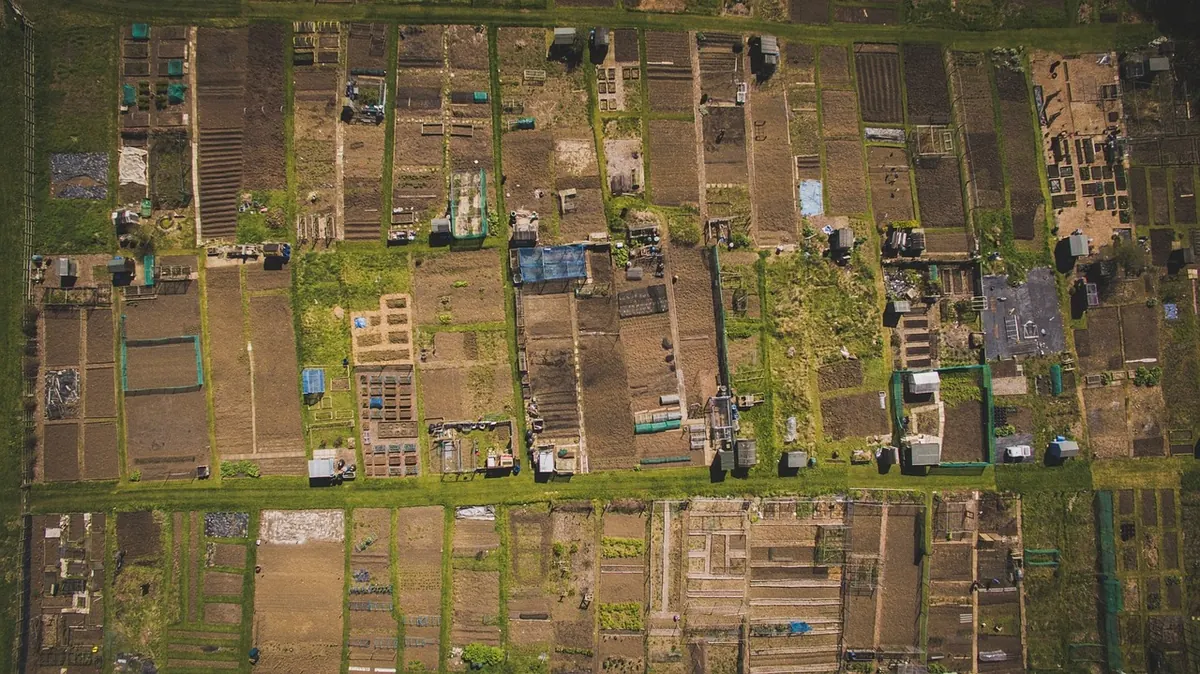
A first-year allotment holder reflects on overambitious plans, couch grass, tight spacing and small harvest...
Copyright © 2026 Racconti Del Giardino. All Right Reserved.